
 日本語
日本語 한국어
한국어 Français
 Deutsch
 Español
 Italiano
 Português
 Việt Nam
 Türkçe
 عربي
عربي  русский
  Čeština
 ไทย
ไทย Eesti
Eesti Gaeilgenah Éireann
 Bai Miaowen
 íslenska
 Cymraeg
 Български
 اردو
اردو Polski
 hrvatski
 українська
 bosanski
 فارسی
فارسی Lietuvių
 Latviešu
 עברית
עברית România limbi
 Ελληνικά
 dansk
dansk magyar
 Norsk
Norsk suomi
suomi Nederlands
 Svenska
 slovenčina
 slovenščina
 हिंदी
हिंदी Indonesia
 Melayu
 Malti
Malti Kreyòl Ayisyen
 Català
 বাংলা
বাংলা Srbija jezik (latinica)
 O'zbek
What is the effect of velocity on ion exchange resin performance?
Ion exchange resins are widely used in a variety of industries such as water treatment, food and beverage, pharmaceuticals, and more. These resins work by exchanging ions with solutions in order to remove contaminants or purify products. However, their performance is affected by several factors, one of which is the resin velocity.
The resin velocity refers to the speed at which the solution flows through the resin bed. This is an important parameter as it can affect the mass transfer and ion exchange processes that occur within the resin. When the resin velocity is too low, the solution may not be able to penetrate deep into the resin bed, leading to incomplete ion exchange. On the other hand, when the resin velocity is too high, the solution may flow too quickly through the resin bed, reducing the contact time and the efficiency of the process.
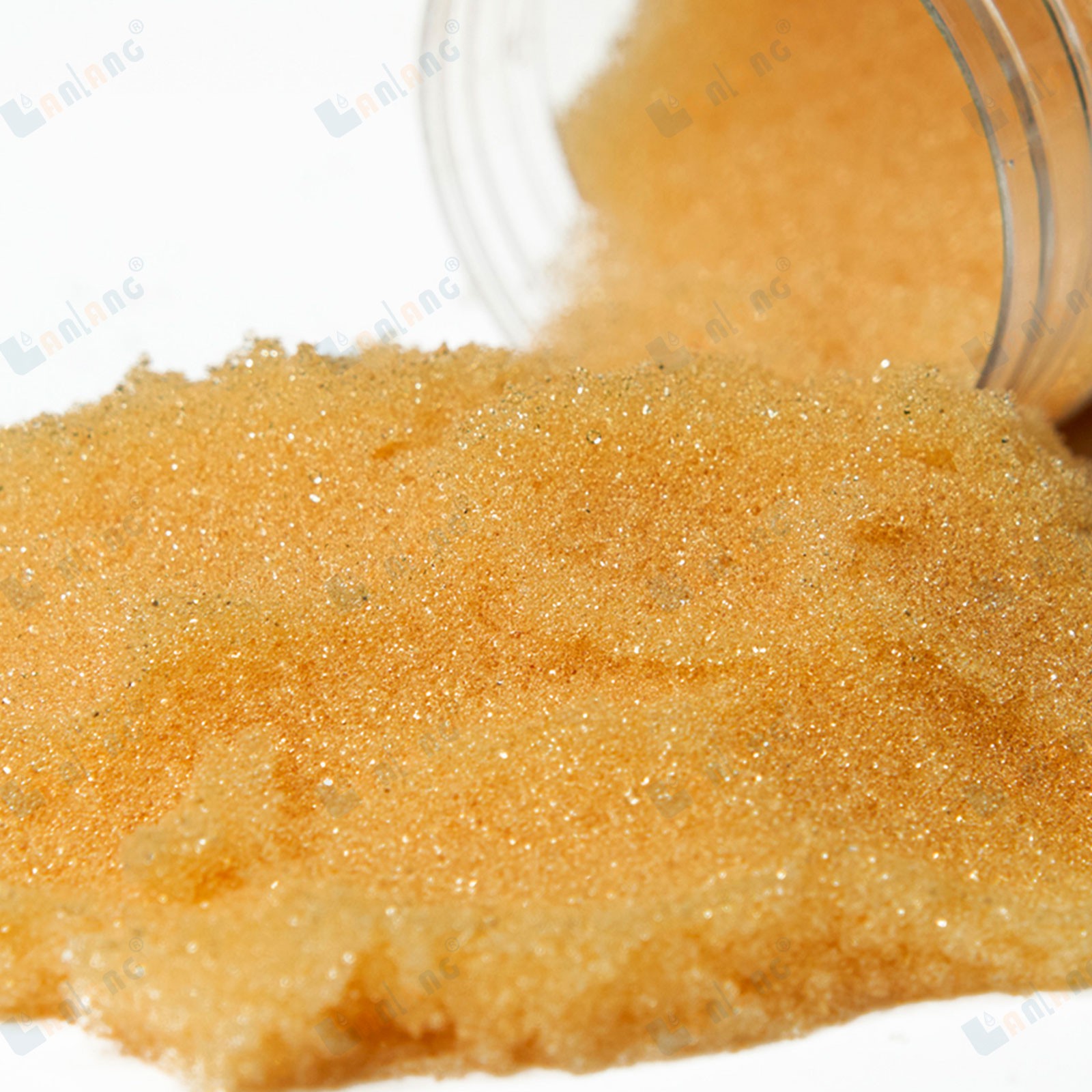
The optimal resin velocity is generally determined by the specific ion exchange resin being used, as well as the nature of the solution being treated. For example, in water treatment applications, the velocity is typically kept between 10 to 50 gallons per minute per cubic foot (GPM/ft3) of resin, while in food and beverage applications, the velocity may be higher or lower depending on the product being processed.
To affecting the performance of the ion exchange resin, the resin velocity can also impact the lifespan of the resin. High velocities can cause mechanical attrition, where the resin beads rub against each other, leading to damage and degradation of the resin. This can result in the release of fines or smaller particle sizes, which can cause fouling or blockages in downstream equipment.
The resin velocity plays a crucial role in the performance of ion exchange resins. It is important to determine the optimal velocity for a given application to ensure maximum efficiency and longevity of the resin. Factors such as the nature of the solution being treated and the specific resin being used must be taken into account when determining the appropriate velocity. By carefully controlling the resin velocity, the ion exchange resin process can be optimized to achieve the desired end result.
