
 日本語
日本語 한국어
한국어 Français
 Deutsch
 Español
 Italiano
 Português
 Việt Nam
 Türkçe
 عربي
عربي  русский
  Čeština
 ไทย
ไทย Eesti
Eesti Gaeilgenah Éireann
 Bai Miaowen
 íslenska
 Cymraeg
 Български
 اردو
اردو Polski
 hrvatski
 українська
 bosanski
 فارسی
فارسی Lietuvių
 Latviešu
 עברית
עברית România limbi
 Ελληνικά
 dansk
dansk magyar
 Norsk
Norsk suomi
suomi Nederlands
 Svenska
 slovenčina
 slovenščina
 हिंदी
हिंदी Indonesia
 Melayu
 Malti
Malti Kreyòl Ayisyen
 Català
 বাংলা
বাংলা Srbija jezik (latinica)
 O'zbek
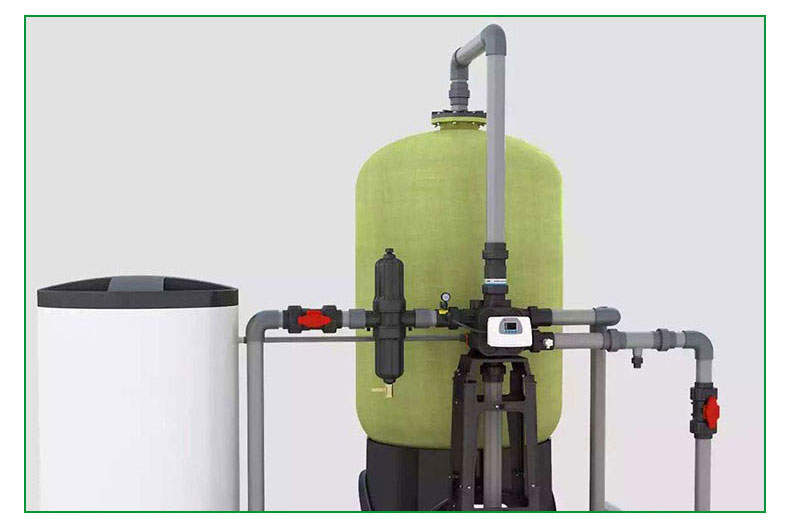
Water softeners are an essential part of households that experience hard water problems. Hard water is caused by the presence of minerals such as calcium and magnesium, which can cause scaling and buildup of minerals in pipes and appliances. Water softeners work to remove these minerals from the water before they can cause problems.
A water softener consists of a resin tank and a brine tank. The resin tank is where the process of water softening takes place, while the brine tank holds the salt solution used to regenerate the resin beads. Understanding the differences between the two tanks can help homeowners know how to maintain their water softener system properly.
Resin Tank:
The resin tank is the main component of a water softener system. It contains resin beads that are charged with sodium ions. When hard water enters the tank, the resin beads attract the minerals and exchange them for sodium ions. This process is known as ion exchange and results in softened water, which then flows out of the tank and through the home's pipes.
The resin tank requires regular maintenance to ensure it continues to function correctly. Over time, the resin beads can become fouled with mineral buildup, reducing their effectiveness. Homeowners can clean the tank by running a specialized resin cleaner through the system. It's important to note that the resin beads do not wear out, but the tank may need to be replaced after 15-20 years, depending on system usage and maintenance.
Brine Tank:
The brine tank holds a salt solution used to regenerate the resin beads. The salt solution enters the resin tank and washes away the minerals, replacing them with sodium ions. The brine tank also contains a brine valve that controls the flow of saltwater into the resin tank.
The brine tank requires periodic maintenance to replenish the salt supply. Homeowners must add salt to the tank regularly, ensuring it has enough to regenerate the resin beads effectively. It's important to choose the right type of salt for the water softener system; most manufacturers recommend using only high-grade salts.
The resin tank and brine tank are both essential components of a water softener system. The resin tank removes the minerals from the water, and the brine tank holds the salt solution to regenerate the resin beads. Understanding the differences and maintaining both tanks regularly can ensure a water softener system works efficiently and effectively. By taking care of the system, homeowners can enjoy the benefits of soft water, such as cleaner dishes, longer-lasting appliances, and improved skin and hair health.
