
 日本語
日本語 한국어
한국어 Français
 Deutsch
 Español
 Italiano
 Português
 Việt Nam
 Türkçe
 عربي
عربي  русский
  Čeština
 ไทย
ไทย Eesti
Eesti Gaeilgenah Éireann
 Bai Miaowen
 íslenska
 Cymraeg
 Български
 اردو
اردو Polski
 hrvatski
 українська
 bosanski
 فارسی
فارسی Lietuvių
 Latviešu
 עברית
עברית România limbi
 Ελληνικά
 dansk
dansk magyar
 Norsk
Norsk suomi
suomi Nederlands
 Svenska
 slovenčina
 slovenščina
 हिंदी
हिंदी Indonesia
 Melayu
 Malti
Malti Kreyòl Ayisyen
 Català
 বাংলা
বাংলা Srbija jezik (latinica)
 O'zbek
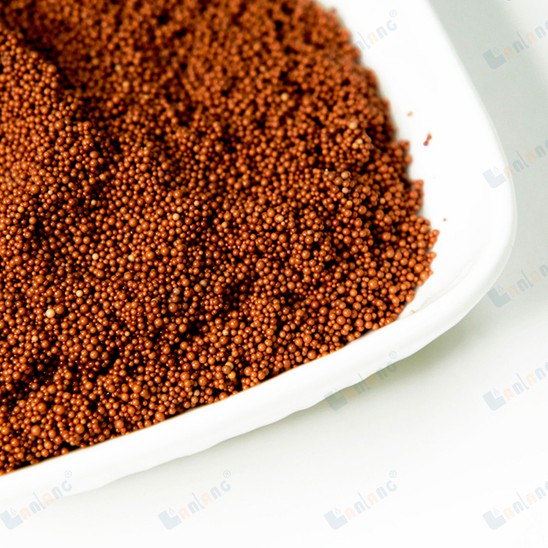
Can ion exchange resin remove pesticides from water?
Can ion exchange resin remove pesticides from water? The answer is yes, but the effectiveness of the process depends on the specific pesticide and the type of resin used. In this blog post, we will take a closer look at ion exchange resin and its potential for removing pesticides from water.
What is ion exchange resin?
Ion exchange resin is a solid substance made of small beads or resin. It is used to filter and purify water by exchanging ions with other ions in the water. The resin beads typically contain charged functional groups, such as sulfonic or carboxylic acid groups, that can attract and exchange ions. The process of ion exchange involves exchanging one ion for another, typically by employing cation or anion resins that are specific to either positively charged or negatively charged ions.
How does ion exchange resin remove pesticides from water?
Pesticides are organic compounds that are typically hydrophobic, meaning they do not dissolve readily in water. Ion exchange resin is effective for removing certain types of pesticides, particularly those that are ionic or polar in nature. These pesticides can form a complex with the functional groups on the resin, thereby removing them from the water.
The effectiveness of ion exchange resin for removing pesticides depends on several factors, including the specific pesticide, the concentration of the pesticide in the water, the pH of the water, and the type of resin used. Some types of resin may be more effective than others for certain pesticides, so it's important to choose the right resin for the job.
Advantages of using ion exchange resin for removing pesticides
One of the major advantages of using ion exchange resin for removing pesticides is that it is a relatively simple and low-cost process. The resin itself is relatively inexpensive and easy to obtain, and the process can be easily scaled up or down depending on the volume of water that needs to be treated.
Another advantage is that it is a selective process, meaning that it only removes the targeted pesticides and does not affect other pollutants or minerals in the water. This ensures that the water quality remains high, even after treatment.
Limitations of using ion exchange resin for removing pesticides
One of the limitations of using ion exchange resin for removing pesticides is that it can only remove certain types of pesticides. Some pesticides may be too hydrophobic or too large to be effectively removed by the resin. In addition, the process may not be suitable for removing pesticides that are present at very low concentrations.
Ion exchange resin can be an effective method for removing pesticides from water, but its effectiveness depends on several factors. The specific pesticide, the concentration, the pH of the water, and the type of resin used all play a role in determining how effective the process will be. By understanding these factors, water treatment professionals can select the right resin for the job and ensure that drinking water is safe and clean.
