
 日本語
日本語 한국어
한국어 Français
 Deutsch
 Español
 Italiano
 Português
 Việt Nam
 Türkçe
 عربي
عربي  русский
  Čeština
 ไทย
ไทย Eesti
Eesti Gaeilgenah Éireann
 Bai Miaowen
 íslenska
 Cymraeg
 Български
 اردو
اردو Polski
 hrvatski
 українська
 bosanski
 فارسی
فارسی Lietuvių
 Latviešu
 עברית
עברית România limbi
 Ελληνικά
 dansk
dansk magyar
 Norsk
Norsk suomi
suomi Nederlands
 Svenska
 slovenčina
 slovenščina
 हिंदी
हिंदी Indonesia
 Melayu
 Malti
Malti Kreyòl Ayisyen
 Català
 বাংলা
বাংলা Srbija jezik (latinica)
 O'zbek

Strong Acid Cation Resin
What is Strong Acid Cation Resin?
Strong acid cation resin is a type of ion exchange resin characterized by its ability to effectively exchange hydrogen ions (h+) for positively charged ions in aqueous solutions. This resin is widely utilized in various industrial processes, such as water treatment and purification, to remove unwanted cations from the solution. The resin's strong acidic nature allows it to efficiently exchange ions, making it particularly suitable for applications where a high degree of cation removal is required. Its versatility and effectiveness make strong acid cation resin a valuable tool in industries striving for enhanced water quality and process efficiency.
Advantages of Strong Acid Cation Resin
High ion exchange capacity
Strong acid cation resin possesses a significant ion exchange capacity, allowing it to efficiently remove a wide range of positively charged ions from water or other solutions. This high capacity ensures effective and thorough ion exchange processes.
Versatility in cation removal
The resin is versatile in targeting various cations, including heavy metals like calcium, magnesium, and other undesirable ions. This adaptability makes it a versatile choice for diverse industrial applications where targeted cation removal is crucial.
Stability in harsh conditions
Strong acid cation resin exhibits robust stability, even in harsh chemical environments. This makes it suitable for applications where the resin may come into contact with aggressive substances, ensuring a long lifespan and sustained performance.
Regenerability
The resin can be easily regenerated, extending its operational life. Through regeneration processes, the resin can be restored to its original ionic form, making it a cost-effective and sustainable choice for ion exchange applications.


Why Choose Us?
R&D
Invests heavily in R&D, continuously improving their product offerings and staying at the forefront of new material technology. dedication to innovation means customers can benefit from cutting-edge solutions.
Customization services
Provide customization services to meet specific customer requirements, ensuring that clients receive products that exactly fit their needs.
Experienced team
The company employs a team of experienced professionals with expertise in new material technologies, ensuring that their products and services are backed by deep knowledge and technical proficiency.
24h online service
We try and respond to all concerns within 24 hours and our teams are always at your disposal in case of any emergencies.
Types of Strong Acid Cation Resin
Sulfonated polystyrene resin
This type of strong acid cation resin is based on a polymer matrix of sulfonated polystyrene, offering high ion exchange capacity. Sulfonated polystyrene resins are widely utilized in water softening applications, efficiently removing calcium and magnesium ions from water sources.
Carboxylic acid resin
Strong acid cation resin with carboxylic acid functional groups is effective in removing alkaline earth metals and other cations. This type of resin is commonly used in processes requiring selective removal of specific cations while maintaining stability in various operating conditions.
Crosslinked polystyrene divinylbenzene resin
This type of resin is created by crosslinking polystyrene with divinylbenzene, resulting in a highly stable matrix. Crosslinked polystyrene divinylbenzene resins are known for their durability and are employed in applications where prolonged use and resistance to chemical and physical stresses are paramount.
Phosphonic acid resin
Another variant of strong acid cation resin employs a matrix containing phosphonic acid groups. This type exhibits excellent stability in the presence of oxidizing agents and is often employed in applications where resistance to harsh chemical conditions is essential.
Acrylic acid resin
Resins with acrylic acid functional groups offer good mechanical strength and stability in a variety of environments. They find applications in both water treatment and industrial processes where consistent and reliable cation exchange is crucial.
Gel-type resin
Gel-type strong acid cation resins have a high degree of crosslinking, providing enhanced mechanical strength and resistance to osmotic shock. These resins are preferred in applications with variable operating conditions and fluctuations in water quality, ensuring consistent and reliable ion exchange performance.
The Manufacturing Process of Strong Acid Cation Resin
Polymerization
Monomer selection: The process begins with the selection of monomers suitable for creating the polymer matrix. In the case of strong acid cation resins, styrene and divinylbenzene are commonly used monomers.
Initiation: The selected monomers undergo polymerization initiated by heat, light, or chemical initiators. This process results in the formation of a polymer matrix, typically in the form of small beads.
Functionalization
Sulfonation or other functionalization: The polymer beads are then functionalized with strong acid groups, such as sulfonic acid. This functionalization is crucial for enabling the ion exchange properties of the resin. The method of functionalization depends on the desired type of strong acid cation resin.
Crosslinking
Introduction of crosslinking agent: To enhance the stability and mechanical strength of the polymer matrix, a crosslinking agent such as divinylbenzene is introduced during polymerization. This step creates a three-dimensional network within the polymer structure.
Washing and purification
Removal of unreacted materials: The resin beads undergo thorough washing to remove any unreacted monomers, initiators, or other by-products. This purification step is essential to ensure the resin's purity and prevent unwanted contaminants in the final product.
Neutralization
Neutralizing acid groups: If necessary, the resin beads may undergo a neutralization step to balance or adjust the acidity of the functional groups. This step contributes to the resin's stability and performance in specific applications.
Drying
Removal of water: The resin beads are dried to eliminate any remaining moisture. This ensures that the resin is in a stable, dry form suitable for packaging and storage.
How to Choose Strong Acid Cation Resin
Water quality analysis
Conduct a thorough analysis of the water to be treated. Identify the specific cations that need to be removed, such as calcium, magnesium, or heavy metals. The resin should be chosen based on its ability to effectively exchange these target cations.
Ion exchange capacity
Consider the ion exchange capacity of the resin. This parameter indicates the amount of cations that the resin can effectively exchange. Choose a resin with a sufficient iec to handle the expected ion load in your application.
Chemical compatibility
Assess the chemical compatibility of the resin with the operating environment. Some resins may be more resistant to certain chemicals or extreme ph conditions. Ensure that the selected resin can withstand the specific conditions of your process without undergoing degradation.
Regenerability
Evaluate the regenerability of the resin. Check if the resin can be easily regenerated for prolonged use. This is important for cost-effectiveness and sustainability in applications where frequent regeneration is required.
Temperature and pressure requirements
Consider the temperature and pressure conditions of your application. Some resins may have temperature or pressure limitations, so choose a resin that can operate within the specified range for your process.
Particle size and uniformity
Particle size and uniformity can impact the efficiency of ion exchange processes. Choose a resin with particle sizes suitable for your specific equipment and application requirements. Consistency in particle size is essential for uniform ion exchange.
Stability and longevity
Assess the stability and longevity of the resin in the intended environment. A resin that maintains its performance over an extended period without significant degradation is crucial for minimizing downtime and replacement costs.
Application of Strong Acid Cation Resin
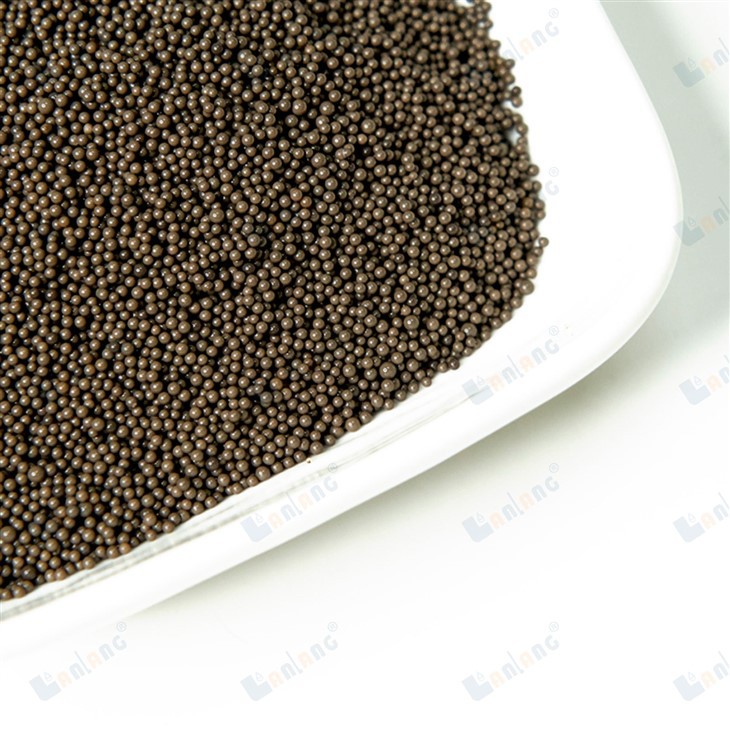
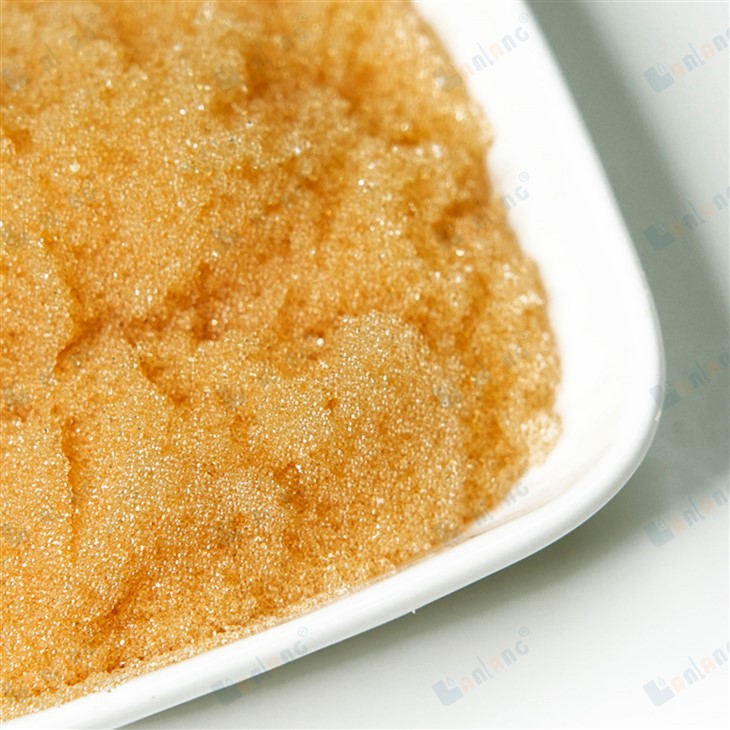
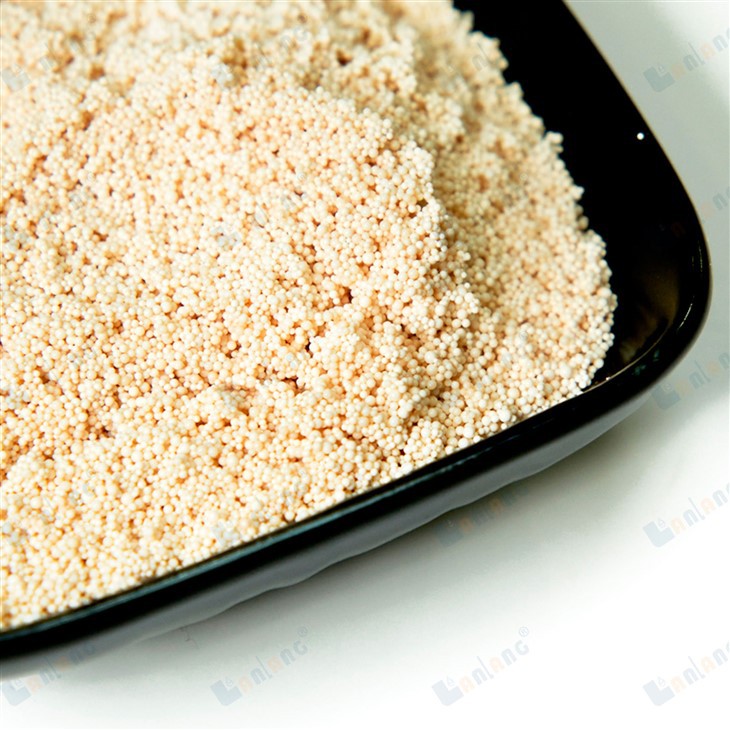
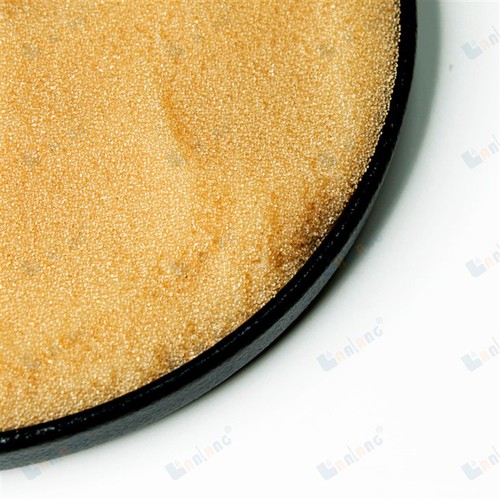
Water softening
One of the primary applications of strong acid cation resin is in water softening systems. The resin exchanges calcium and magnesium ions in hard water with sodium ions, effectively reducing water hardness and preventing scale formation in pipes and appliances.
Boiler feedwater treatment
In industrial boiler systems, strong acid cation resin is used to remove hardness ions that can lead to scale formation. This helps maintain the efficiency and longevity of boilers by preventing scale buildup on heat exchange surfaces.
Demineralization and deionization
Strong acid cation resin is a crucial component in demineralization and deionization processes. It helps remove cations from water, producing high-purity water required in industries such as electronics, pharmaceuticals, and power generation.
Metal recovery
In hydrometallurgical processes, strong acid cation resin is employed to selectively recover valuable metal ions from solution. The resin can be tailored to target specific metal cations, facilitating efficient metal extraction and purification.
Wastewater treatment
Strong acid cation resin is used in wastewater treatment to remove heavy metal ions and other cations. This application helps meet environmental regulations by reducing the levels of harmful contaminants in industrial effluents before discharge.
Chemical processing
In chemical manufacturing, strong acid cation resin plays a role in ion exchange processes, facilitating the purification of chemical solutions by removing unwanted cations. This is crucial in maintaining the quality and consistency of chemical products.
Nuclear industry
Strong acid cation resin is utilized in the nuclear industry for the purification of water used in reactor cooling systems. The resin helps maintain the required water quality by removing radioactive cations and impurities.
Food and beverage industry
In the food and beverage industry, strong acid cation resin may be used for water treatment to ensure that water used in production processes meets quality standards. It helps remove undesirable ions that could affect the taste or quality of the final products.
Oil refining
Strong acid cation resin can be employed in the oil refining process to remove specific cations from various process streams. This is important for maintaining the efficiency of refining operations and meeting product specifications.
Electroplating
In the electroplating industry, where metal coatings are applied to substrates, strong acid cation resin is used to purify plating solutions by removing unwanted metal ions. This ensures a high-quality and uniform coating on the plated surfaces.
Things to Note When Using Strong Acid Cation Resin
Compatibility with water composition
Understand the composition of the water or solution being treated. Strong acid cation resin is effective for removing certain cations, such as calcium, magnesium, and heavy metals. Ensure that the resin is compatible with the specific ions targeted in your application.
Regeneration frequency and procedures
Determine the regeneration frequency based on the resin's capacity and the ion load in your process. Follow recommended regeneration procedures provided by the resin manufacturer to maintain optimal performance and prolong the resin's lifespan.
Chemical compatibility
Assess the chemical compatibility of the resin with the substances present in your process. Some chemicals may degrade the resin over time, affecting its performance. Ensure that the resin is resistant to the chemicals and conditions it will encounter.
Temperature and pressure limits
Be aware of the temperature and pressure limits of the strong acid cation resin. Operating the resin within the specified range is crucial for maintaining its structural integrity and performance. Exceeding these limits may lead to resin degradation.
Flow rates and contact time
Optimize flow rates and contact time to ensure effective ion exchange. Adequate contact time allows the resin to efficiently remove targeted cations. Additionally, ensure that the flow rates are within the resin's design parameters to prevent channeling and uneven ion exchange.
Bed expansion and compression
Understand the resin's bed expansion and compression characteristics during regeneration and service cycles. Proper bed expansion during backwashing and uniform compression during service are crucial for consistent resin performance.
Pre-filtration
Consider implementing pre-filtration systems to remove particulate matter and prevent fouling of the resin bed. Particles in the water can interfere with the resin's performance and reduce its efficiency over time.
Ph levels
Monitor and control ph levels in the solution. Strong acid cation resin is typically used under acidic conditions. Extreme ph levels outside the recommended range may impact the resin's stability and ion exchange capacity.
Quality of feedwater
Ensure that the quality of the feedwater meets recommended standards. Poor water quality may lead to fouling, scaling, or premature resin exhaustion. Regular water quality testing can help identify any deviations from the desired specifications.
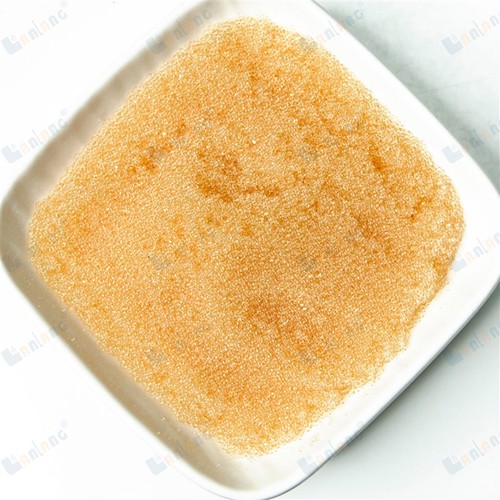
Polymer matrix
The backbone of the resin consists of a polymer matrix, usually made from styrene and divinylbenzene. This polymer matrix provides the structural framework and stability for the resin.
Functional groups
Strong acid cation resin is characterized by the presence of strong acid functional groups attached to the polymer matrix. The most common strong acid functional group used is the sulfonic acid group (so₃h). These groups are responsible for ion exchange reactions, where positively charged ions in the solution are exchanged for hydrogen ions (h+).
Crosslinking agent
To enhance the stability and mechanical strength of the resin, a crosslinking agent is introduced during the polymerization process. Divinylbenzene is a common crosslinking agent used in the production of strong acid cation resin. Crosslinking creates a three-dimensional network within the polymer structure.
Initiators
Initiators are compounds that initiate the polymerization reaction. They can be heat, light, or chemical initiators that kick-start the process of linking monomers together to form the polymer matrix.
Solvent
During the manufacturing process, a solvent is often used to dissolve and disperse the monomers, crosslinking agents, and initiators. Common solvents include water and organic solvents, depending on the resin production method.
How to Maintain Strong Acid Cation Resin
Regular monitoring
Implement a routine monitoring schedule to assess the resin bed's performance. This includes checking for any changes in color, odor, or pressure drop across the bed. Regular monitoring helps identify potential issues early on.
Water quality testing
Periodically test the quality of the feedwater and the treated water. Analyzing the water composition ensures that the resin is effectively removing the targeted cations and helps detect any variations that may impact resin performance.
Regeneration schedule
Follow a regular regeneration schedule based on the resin's ion exchange capacity and the ion load in your application. Proper regeneration prevents resin exhaustion and maintains its efficiency. Adhere to the resin manufacturer's recommendations for regeneration procedures.
Backwashing
Incorporate backwashing into the maintenance routine. Backwashing helps remove accumulated debris, fines, and particulate matter from the resin bed, preventing channeling and ensuring uniform resin bed expansion during regeneration.
Pre-filtration
Consider implementing pre-filtration systems to remove suspended solids and particulate matter before the water reaches the resin bed. This helps prevent fouling and extends the lifespan of the resin.
Ph control
Monitor and control the ph of the water. Ensure that the ph remains within the recommended range for the specific resin type. Extreme ph conditions can affect the resin's stability and ion exchange capacity.
Temperature and pressure control
Operate the resin within the recommended temperature and pressure limits. Excessive temperatures or pressures can lead to resin degradation or structural damage. Regularly check and control these parameters to maintain resin integrity.
Avoid harsh chemicals
Avoid exposing the resin to chemicals that may degrade its structure or functional groups. Check the resin's chemical compatibility with substances in your process and ensure that it can withstand the conditions it will encounter.
Corrective actions
Address any issues promptly. If you observe changes in resin performance or water quality, investigate the root cause and take corrective actions. This may involve adjusting regeneration parameters, optimizing backwashing, or implementing additional pre-treatment steps.
The primary function of strong acid cation resin is to facilitate ion exchange in aqueous solutions, specifically targeting positively charged ions known as cations. The resin is designed to effectively remove certain undesirable cations, such as calcium (ca2+), magnesium (mg2+), and various heavy metals, from water or other liquid streams.
Strong acid cation resin possesses sulfonic acid functional groups on its polymer matrix. During the ion exchange process, these functional groups release hydrogen ions (h+) into the solution, leading to the replacement of the undesirable cations in the water. The exchanged cations are typically less harmful or more suitable for a particular application.
Common applications of strong acid cation resin include water softening, demineralization, deionization, and the purification of various industrial process waters. The resin's ability to selectively remove specific cations makes it a valuable tool in improving water quality, preventing scale formation, and ensuring the efficient operation of various industrial processes.
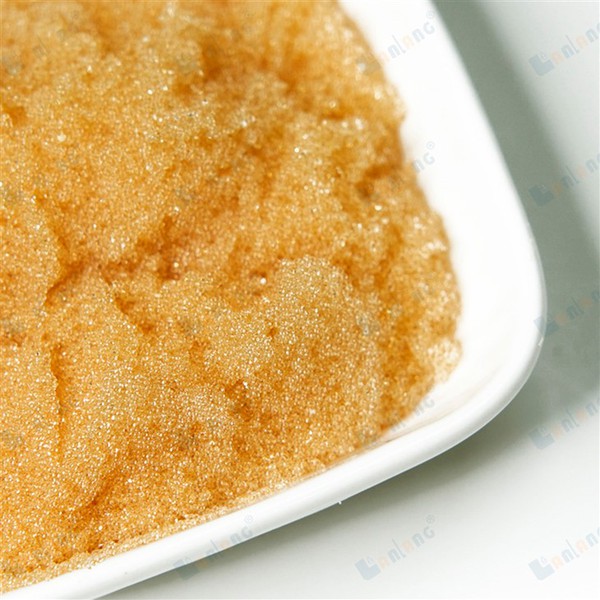
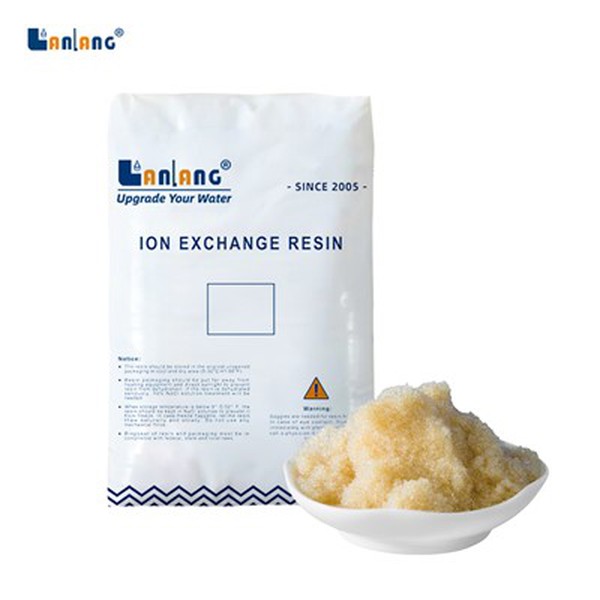
The polymer matrix commonly used in the production of strong acid cation resin is typically based on a copolymer of styrene and divinylbenzene (dvb). This copolymer forms the backbone of the resin, providing the necessary structural framework and stability.
Styrene serves as the primary monomer in the polymerization process, contributing to the formation of the polymer matrix. Divinylbenzene, as a crosslinking agent, is introduced during polymerization to create a three-dimensional network within the polymer structure. The crosslinking enhances the resin's mechanical strength and stability, making it suitable for repeated ion exchange processes, such as regeneration cycles.
The combination of styrene and divinylbenzene in the polymer matrix helps create a durable and stable resin with the necessary properties for effective ion exchange in strong acid cation resin applications.
Can You Explain the Initiation Process in the Polymerization of Strong Acid Cation Resin
Heat initiation: In some cases, heat may be used as the initiator. Elevated temperatures provide the energy needed to break the bonds in the initiator molecules, generating free radicals. These free radicals then initiate the polymerization of monomers.
Light initiation: Light initiators, such as ultraviolet (uv) light, can also be employed. When exposed to light, the initiator molecules absorb energy and become reactive, leading to the formation of free radicals that initiate polymerization.
Chemical initiation: Chemical initiators are compounds that readily decompose to form free radicals. Common chemical initiators include organic peroxides or azo compounds. These initiators break down into free radicals, initiating the polymerization reaction.
Formation of free radicals: Once initiated, the selected method generates free radicals, which are highly reactive species with unpaired electrons. These free radicals are capable of initiating the polymerization of monomers by reacting with double bonds in the monomer molecules.
Polymerization of monomers: The free radicals react with monomer molecules, leading to the sequential addition of monomers and the formation of polymer chains. In the case of strong acid cation resin, the monomers typically include styrene and divinylbenzene, and the polymerization results in the crosslinked polymer matrix.
Chain growth: The polymerization process continues with the growth of polymer chains. The crosslinking agent (divinylbenzene) facilitates the formation of a three-dimensional network within the polymer structure, contributing to the resin's stability.
In Which Industries is Strong Acid Cation Resin Commonly Applied for Water Treatment
Water softening industry
Strong acid cation resin is extensively employed in water softening applications to remove calcium (ca2+) and magnesium (mg2+) ions from hard water. The resin exchanges these hardness ions for sodium ions, preventing scale formation in pipes and appliances.
Boiler water treatment
In the power generation and industrial boiler industry, strong acid cation resin is used to treat boiler feedwater by removing hardness ions. This helps prevent scale formation on heat exchange surfaces, improving boiler efficiency and lifespan.
Demilitarization and deionization plants
Strong acid cation resin plays a crucial role in demineralization and deionization processes, producing high-purity water for industries such as electronics, pharmaceuticals, and laboratories.
Wastewater treatment facilities
Industries with wastewater treatment plants use strong acid cation resin to remove heavy metal ions and other undesirable cations, helping meet environmental regulations before discharging treated water.
Chemical processing and manufacturing
Strong acid cation resin is employed in chemical manufacturing to purify chemical solutions by selectively removing unwanted cations. This ensures the quality and consistency of chemical products.
Oil refining industry
The oil refining sector uses strong acid cation resin for the removal of specific cations from various process streams, contributing to the efficiency of refining operations and meeting product specifications.
Metal recovery processes
In hydrometallurgical processes, strong acid cation resin facilitates the selective recovery of valuable metal ions from solution, aiding in metal extraction and purification.
Nuclear industry
Strong acid cation resin is used in the nuclear industry for purifying water used in reactor cooling systems. It helps maintain the required water quality by removing radioactive cations and impurities.
Food and beverage industry
In the food and beverage sector, strong acid cation resin may be used for water treatment to ensure that water used in production processes meets quality standards. It helps remove undesirable ions that could affect product taste or quality.
Electroplating and surface finishing
Industries involved in electroplating and surface finishing use strong acid cation resin to purify plating solutions by removing unwanted metal ions. This ensures high-quality and uniform coatings on plated surfaces.
Cost-effectiveness
Regeneration allows for the reuse of the resin, making the overall water treatment process more cost-effective. Instead of continually replacing exhausted resin, regenerating it extends its lifespan, reducing the frequency of resin replacement and associated costs.
Sustainability
Regeneration aligns with sustainability goals by minimizing the consumption of raw materials. It reduces the environmental impact associated with the production and disposal of resin, contributing to more environmentally friendly water treatment practices.
Continuous operation
Regenerability ensures continuous operation of water treatment systems. By regenerating the resin, the ion exchange capacity is restored, allowing the resin to continue effectively removing undesired cations from the water. This is particularly important in industries where uninterrupted processes are critical.
Consistent performance
Regeneration helps maintain the consistent performance of strong acid cation resin over time. By removing accumulated ions during the regeneration process, the resin can operate at its designed capacity, ensuring reliable ion exchange and water quality improvement.
Reduction of downtime
Regeneration reduces downtime associated with resin replacement. Instead of stopping operations to replace exhausted resin, regeneration can often be performed in place, minimizing interruptions to industrial processes.
Resource conservation
Regenerating resin conserves resources by allowing the continued use of the same resin beads. This is especially important in industries where resources may be limited or where the production of resin involves energy-intensive processes.
Optimal performance
Regeneration helps maintain the optimal performance of the resin by preventing fouling and scale buildup. Regular regeneration removes impurities that may accumulate during the ion exchange process, ensuring the resin's efficiency in subsequent cycles.
Operational flexibility
The regenerability of strong acid cation resin provides operational flexibility. Depending on the specific requirements of the industrial process, regeneration parameters can be adjusted to meet the demands of varying water qualities and ion concentrations.
Extended service life
Proper regeneration practices contribute to an extended service life for the resin. By following recommended regeneration procedures, the resin's structural integrity and ion exchange capacity can be preserved, allowing for longer periods of effective operation.
FAQ
As one of the leading strong acid cation resin manufacturers and suppliers in China, we warmly welcome you to wholesale strong acid cation resin in stock here from our factory. All customized products are with high quality and competitive price.
industrial water softening resin, pure demineralized water resin, softener resin types