日本語
日本語 한국어
한국어 Français
 Deutsch
 Español
 Italiano
 Português
 Việt Nam
 Türkçe
 عربي
عربي  русский
  Čeština
 ไทย
ไทย Eesti
Eesti Gaeilgenah Éireann
 Bai Miaowen
 íslenska
 Cymraeg
 Български
 اردو
اردو Polski
 hrvatski
 українська
 bosanski
 فارسی
فارسی Lietuvių
 Latviešu
 עברית
עברית România limbi
 Ελληνικά
 dansk
dansk magyar
 Norsk
Norsk suomi
suomi Nederlands
 Svenska
 slovenčina
 slovenščina
 हिंदी
हिंदी Indonesia
 Melayu
 Malti
Malti Kreyòl Ayisyen
 Català
 বাংলা
বাংলা Srbija jezik (latinica)
 O'zbek

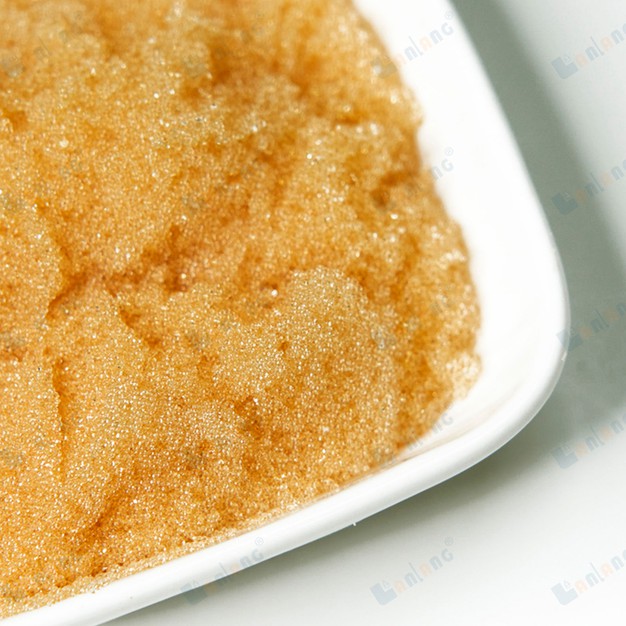
Softening and demineralization are two common techniques used to remove impurities from water using ion exchange resin. Both processes use resin beads to exchange ions and remove minerals, but the key difference lies in the type of ions being exchanged.
Softening is the process of removing hardness ions, such as calcium and magnesium, which cause scaling and buildup in pipes and appliances. In the softening process, resin beads are coated with sodium ions, which exchange with the hardness ions, removing them from the water. This results in water that is less likely to cause scale buildup and is softer to the touch. Softening is commonly used in households, industrial processes, and boiler feed water systems.
Demineralization, on the other hand, is the process of removing all types of ions, including hardness ions as well as other minerals, such as iron and manganese. Demineralization, also known as deionization, uses a mixed bed resin containing both cation and anion exchange resin beads. These beads exchange positively charged ions, such as calcium and magnesium, and negatively charged ions, such as chlorides and sulfates, resulting in water that is free of all minerals. Demineralization is commonly used in industrial processes, laboratories, and pharmaceutical manufacturing.
While both softening and demineralization use ion exchange resin, the main difference lies in the type of ions being exchanged. Softening is targeted towards removing hardness ions, while demineralization aims to remove all types of ions to achieve a higher level of water purity. Understanding these differences can help you choose the best technique for your specific water treatment needs.