
 日本語
日本語 한국어
한국어 Français
 Deutsch
 Español
 Italiano
 Português
 Việt Nam
 Türkçe
 عربي
عربي  русский
  Čeština
 ไทย
ไทย Eesti
Eesti Gaeilgenah Éireann
 Bai Miaowen
 íslenska
 Cymraeg
 Български
 اردو
اردو Polski
 hrvatski
 українська
 bosanski
 فارسی
فارسی Lietuvių
 Latviešu
 עברית
עברית România limbi
 Ελληνικά
 dansk
dansk magyar
 Norsk
Norsk suomi
suomi Nederlands
 Svenska
 slovenčina
 slovenščina
 हिंदी
हिंदी Indonesia
 Melayu
 Malti
Malti Kreyòl Ayisyen
 Català
 বাংলা
বাংলা Srbija jezik (latinica)
 O'zbek
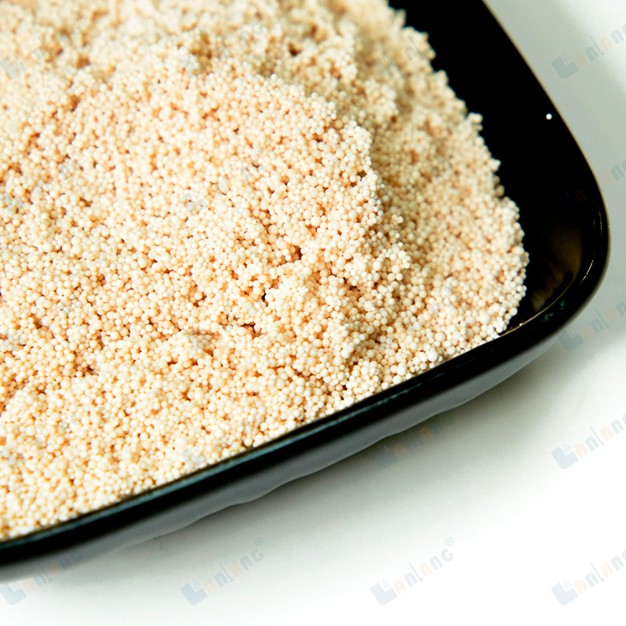
Ion exchange resin is a commonly used material in water treatment systems to remove unwanted minerals and ions from water. It is important to know when to replace the resin to ensure the system is functioning at maximum efficiency.
The frequency at which resin should be replaced depends on several factors, including the quality of the resin, the volume of water being treated, and the level of contaminants in the water. Typically, most ion exchange resin manufacturers recommend replacing the resin every 5 to 10 years.
A noticeable decrease in water quality or a reduction in system efficiency can be an indicator that the resin needs replacing. This may be due to a buildup of contaminants, such as calcium and magnesium, that can clog the resin and prevent it from effectively removing ions.
To prolong the life of the resin, it is essential to properly maintain the system by regularly flushing the resin and monitoring the water quality. Flushing the resin with a specialized cleaning solution can remove any buildup of contaminants and ensure the resin remains effective.
In addition to regular maintenance, using high-quality resin can also extend the life of the ion exchange resin. Cheaper alternatives may not be as effective at removing unwanted ions, leading to increased resin replacement frequency and higher costs in the long run.
The frequency at which ion exchange resin should be replaced depends on several factors, including the quality of the resin, the volume of water being treated, and the level of contaminants in the water. Proper maintenance and using high-quality resin can extend the life of the resin and ensure optimal system performance.
