日本語
日本語 한국어
한국어 Français
 Deutsch
 Español
 Italiano
 Português
 Việt Nam
 Türkçe
 عربي
عربي  русский
  Čeština
 ไทย
ไทย Eesti
Eesti Gaeilgenah Éireann
 Bai Miaowen
 íslenska
 Cymraeg
 Български
 اردو
اردو Polski
 hrvatski
 українська
 bosanski
 فارسی
فارسی Lietuvių
 Latviešu
 עברית
עברית România limbi
 Ελληνικά
 dansk
dansk magyar
 Norsk
Norsk suomi
suomi Nederlands
 Svenska
 slovenčina
 slovenščina
 हिंदी
हिंदी Indonesia
 Melayu
 Malti
Malti Kreyòl Ayisyen
 Català
 বাংলা
বাংলা Srbija jezik (latinica)
 O'zbek

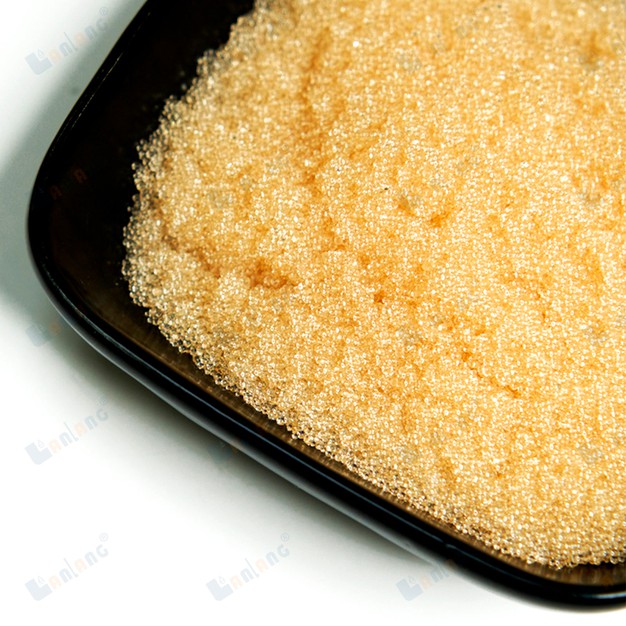
Ion exchange resin is widely used in many industries for various applications. Its functionality depends on the pH of the solution it is operating in. Therefore, understanding the effect of pH on ion exchange resin is crucial in selecting the right type of resin for a particular application.
The pH of a solution refers to its acidity or basicity level. A solution with a pH value of less than 7 is acidic, while a pH value greater than 7 is basic. The pH of a solution affects ion exchange resin in several ways. Firstly, it determines the charge of the resin. Depending on the pH, the resin can be positively charged or negatively charged.
When the pH of a solution is high, the excess OH- ions in the solution can compete with the anion in the resin. This will result in less adsorption of anions by the resin. Thus, the resin will have a lower capacity for anion adsorption in basic solutions. In contrast, when the pH of a solution is low, the H+ ions in the solution will compete with the cation in the resin. This will result in less adsorption of cations by the resin. Thus, the resin will have a lower capacity for cation adsorption in acidic solutions.
The effect of pH on ion exchange resin can also result in changes in its selectivity. The selectivity of the resin refers to its ability to preferentially adsorb certain ions from a mixture of ions in a solution. The pH can affect selectivity because it determines the charge of both the resin and the ions in the solution. For example, if the pH changes from acidic to basic, or vice versa, the resin may preferentially adsorb different ions from a solution.
The pH of a solution can significantly affect the performance of ion exchange resin. It affects the charge of the resin, its capacity, and its selectivity. Therefore, when selecting a resin for a particular application, it is important to consider the pH of the solution it will operate in. By doing so, one can select a resin that can provide the desired performance and produce optimal results.