
 日本語
日本語 한국어
한국어 Français
 Deutsch
 Español
 Italiano
 Português
 Việt Nam
 Türkçe
 عربي
عربي  русский
  Čeština
 ไทย
ไทย Eesti
Eesti Gaeilgenah Éireann
 Bai Miaowen
 íslenska
 Cymraeg
 Български
 اردو
اردو Polski
 hrvatski
 українська
 bosanski
 فارسی
فارسی Lietuvių
 Latviešu
 עברית
עברית România limbi
 Ελληνικά
 dansk
dansk magyar
 Norsk
Norsk suomi
suomi Nederlands
 Svenska
 slovenčina
 slovenščina
 हिंदी
हिंदी Indonesia
 Melayu
 Malti
Malti Kreyòl Ayisyen
 Català
 বাংলা
বাংলা Srbija jezik (latinica)
 O'zbek
In the context of water treatment, ion exchange resin has long been utilized to reduce the concentration of certain ions in the water, including calcium, magnesium, and iron. The effectiveness of such resin, however, can be significantly affected by pH adjustment.
Firstly, the pH of the water can influence the degree of ionization of the functional groups attached to the resin. For example, if the resin has sulfonic acid groups, which are commonly used to exchange cat-ions, a low pH (acidic conditions) would protonate the sulfonic acid groups, making them less negatively charged and hence less effective in exchanging cat-ions. Similarly, a high pH (alkaline conditions) would deprotonate the sulfonic acid groups, making them strongly negatively charged, which could lead to unwanted anion exchange.
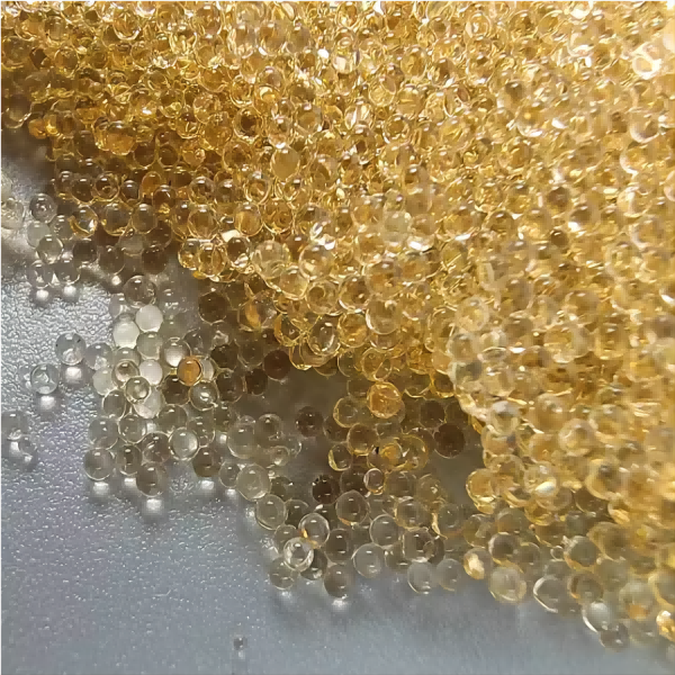
Secondly, the pH of the water can also affect the solubility of certain minerals, which can further impact resin effectiveness. For example, at a high pH, calcium and magnesium are more soluble and hence less likely to be effectively removed by resin, which can lead to scaling and fouling of downstream equipment. At a low pH, on the other hand, iron and manganese may become more soluble, leading to increased fouling of the resin bed.
PH adjustment can also affect the physical properties of the resin itself, such as its swelling behavior. For example, some resins are sensitive to changes in pH and may swell or shrink accordingly, which could lead to bed compaction and a decrease in overall effectiveness.
PH adjustment is an important factor influencing the effectiveness of ion exchange resin. It is critical to carefully monitor and control the pH conditions to ensure optimal performance of the resin and to prevent unwanted downstream effects, such as scaling, fouling, and resin bed compaction.
