
 日本語
日本語 한국어
한국어 Français
 Deutsch
 Español
 Italiano
 Português
 Việt Nam
 Türkçe
 عربي
عربي  русский
  Čeština
 ไทย
ไทย Eesti
Eesti Gaeilgenah Éireann
 Bai Miaowen
 íslenska
 Cymraeg
 Български
 اردو
اردو Polski
 hrvatski
 українська
 bosanski
 فارسی
فارسی Lietuvių
 Latviešu
 עברית
עברית România limbi
 Ελληνικά
 dansk
dansk magyar
 Norsk
Norsk suomi
suomi Nederlands
 Svenska
 slovenčina
 slovenščina
 हिंदी
हिंदी Indonesia
 Melayu
 Malti
Malti Kreyòl Ayisyen
 Català
 বাংলা
বাংলা Srbija jezik (latinica)
 O'zbek
What is the mechanical strength of mixed bed resin?
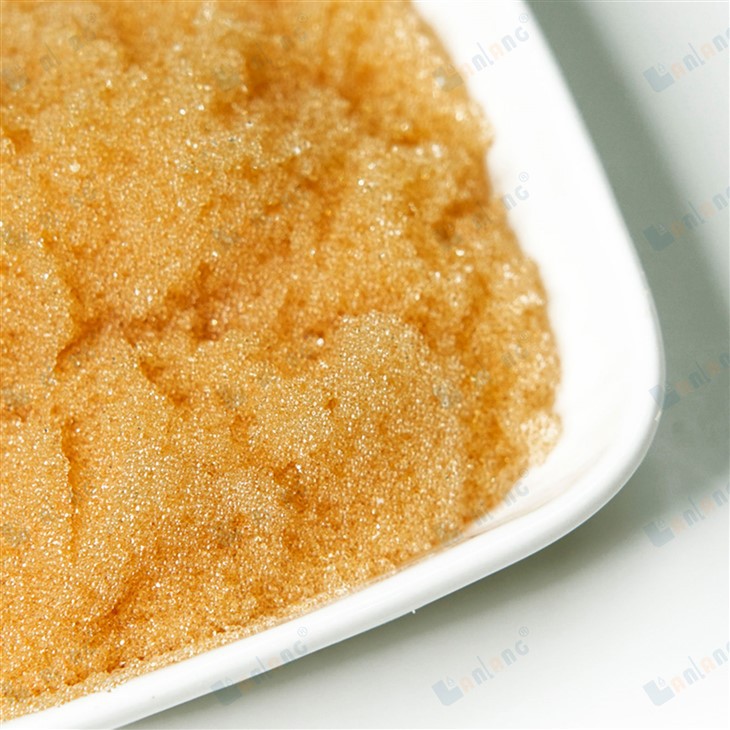
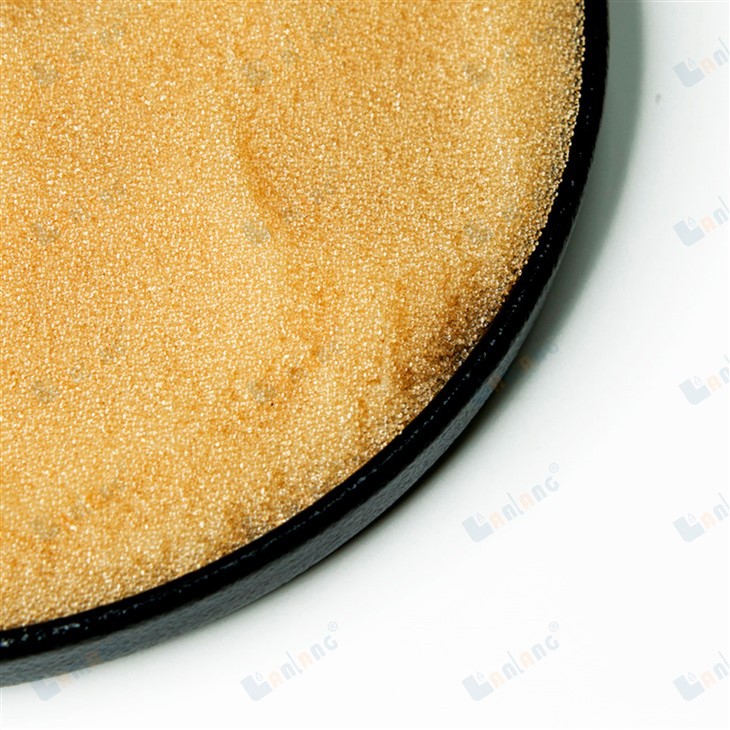
As a seasoned supplier of mixed bed resin, I've encountered numerous inquiries regarding the mechanical strength of this essential product. Understanding the mechanical strength of mixed bed resin is crucial for its effective and long - lasting use in various applications.
Defining Mechanical Strength in Mixed Bed Resin
Mechanical strength refers to the ability of the mixed bed resin to withstand physical forces without significant degradation. In a mixed bed resin system, which combines cation and anion exchange resins, mechanical strength determines how well the resin can endure the stresses associated with normal operation, such as backwashing, regeneration, and the flow of water or other fluids through the resin bed.
A resin with high mechanical strength is less likely to break or fragment during these processes. Fragmentation can lead to several issues, including decreased flow rates, increased pressure drop across the resin bed, and reduced ion - exchange capacity. When resin particles break, they can also create fines that may escape the resin bed and contaminate the treated water or other process streams.
Factors Affecting the Mechanical Strength of Mixed Bed Resin
- Resin Composition and Structure
- The chemical composition of the resin matrix plays a vital role in determining its mechanical strength. Most mixed bed resins are based on a cross - linked polymer structure. The degree of cross - linking affects the hardness and brittleness of the resin. A higher degree of cross - linking generally results in a more rigid and mechanically stronger resin. For example, styrene - divinylbenzene (S - DVB) copolymers are commonly used in ion - exchange resins. The ratio of styrene to divinylbenzene can be adjusted during the manufacturing process to optimize the mechanical and chemical properties of the resin.
- The type of functional groups attached to the resin matrix also influences its mechanical behavior. Different functional groups can affect the swelling and shrinking characteristics of the resin during ion - exchange processes. Excessive swelling or shrinking can put stress on the resin particles and reduce their mechanical strength over time.
- Manufacturing Process
- The quality of the manufacturing process is critical for producing mixed bed resin with high mechanical strength. Precise control of polymerization conditions, such as temperature, pressure, and the use of initiators, ensures a uniform and well - formed resin structure. Any inconsistencies in the manufacturing process can lead to weak spots in the resin particles, making them more prone to breakage.
- Post - manufacturing treatments, such as curing and washing, also impact the mechanical properties of the resin. Proper curing helps to strengthen the resin structure, while thorough washing removes any impurities or unreacted monomers that could potentially weaken the resin.
- Operating Conditions
- The conditions under which the mixed bed resin operates can have a significant impact on its mechanical strength. High flow rates can subject the resin particles to greater shear forces, increasing the risk of breakage. Similarly, rapid changes in pressure or temperature can cause the resin to expand or contract suddenly, leading to mechanical stress.
- The nature of the influent stream, including its chemical composition and the presence of suspended solids, can also affect the resin's mechanical integrity. For instance, if the influent contains abrasive particles, they can abrade the resin surface and gradually reduce its mechanical strength.
Measuring the Mechanical Strength of Mixed Bed Resin
- Attrition Resistance Test
- One of the common methods to measure the mechanical strength of mixed bed resin is the attrition resistance test. In this test, a sample of the resin is subjected to a specific amount of agitation or abrasion in a controlled environment. The percentage of resin particles that break or fragment during the test is then determined. A lower percentage of breakage indicates higher mechanical strength.
- For example, the resin may be placed in a rotating drum with glass beads or other abrasive media for a set period. After the test, the resin is sieved to separate the fines from the intact particles, and the mass of the fines is measured as a proportion of the original sample mass.
- Compression Strength Test
- Another approach is the compression strength test. In this test, a single resin particle or a group of resin particles is subjected to a gradually increasing compressive force until it breaks. The maximum force that the resin can withstand before breaking is recorded as its compression strength. This test provides information about the ability of the resin to resist crushing forces, which can be important in applications where the resin bed is under high pressure.
Importance of High - Strength Mixed Bed Resin in Different Applications
- Water Treatment
- In water treatment plants, high - strength mixed bed resin is essential for producing high - quality water. Whether it is for boiler feed water treatment, demineralization, or ultrapure water production, the resin must be able to withstand the continuous flow of water and the regeneration cycles. If the resin breaks easily, it can lead to increased maintenance costs, as the resin may need to be replaced more frequently. Moreover, fines from broken resin can cause fouling in downstream equipment, such as filters and membranes.
- Our Lanlang Mixed Bed Ion Exchange Resin is designed with high mechanical strength to ensure long - term performance in water treatment applications. It can effectively remove a wide range of ions from water, providing reliable and consistent water quality.
- Chemical and Pharmaceutical Industries
- In the chemical and pharmaceutical industries, the purity of the process streams is of utmost importance. Mixed bed resin with high mechanical strength is used to purify solvents, remove trace impurities from chemicals, and produce high - purity intermediates. The resin must be able to operate in harsh chemical environments without breaking, as any contamination from resin fines could affect the quality of the final products.
- Our TY MB - P Mixed Bed Resin is suitable for such applications. It has been engineered to have excellent mechanical properties, allowing it to perform well in the demanding chemical and pharmaceutical processes.
- Electronics Manufacturing
- In the electronics industry, where ultrapure water is required for semiconductor manufacturing and other high - tech processes, the mechanical strength of mixed bed resin is crucial. Any particle contamination in the water can cause defects in electronic components. High - strength resin ensures that the water treatment system operates smoothly and produces water with extremely low levels of impurities.
- Our TY MB - W Mixed Bed Resin Specially Designed For Spotless Washing is tailored to meet the strict requirements of the electronics manufacturing industry. Its high mechanical strength helps to maintain the integrity of the water treatment process and ensures the production of spotless, high - purity water.
Conclusion
The mechanical strength of mixed bed resin is a critical factor that determines its performance and longevity in various applications. As a supplier, we are committed to providing high - quality mixed bed resin with excellent mechanical properties. Our range of products, including Lanlang Mixed Bed Ion Exchange Resin, TY MB - P Mixed Bed Resin, and TY MB - W Mixed Bed Resin Specially Designed For Spotless Washing, is engineered to meet the diverse needs of our customers.
If you are interested in learning more about our mixed bed resin products or have specific requirements for your application, we invite you to contact us for procurement and further discussion. Our team of experts is ready to assist you in selecting the most suitable resin for your needs.
References
- "Ion Exchange Resins: Properties and Applications" by Helfferich, F.
- "Handbook of Industrial Water Conditioning" by BetzDearborn.
- Technical reports on mixed bed resin performance from industry research institutions.