日本語
日本語 한국어
한국어 Français
 Deutsch
 Español
 Italiano
 Português
 Việt Nam
 Türkçe
 عربي
عربي  русский
  Čeština
 ไทย
ไทย Eesti
Eesti Gaeilgenah Éireann
 Bai Miaowen
 íslenska
 Cymraeg
 Български
 اردو
اردو Polski
 hrvatski
 українська
 bosanski
 فارسی
فارسی Lietuvių
 Latviešu
 עברית
עברית România limbi
 Ελληνικά
 dansk
dansk magyar
 Norsk
Norsk suomi
suomi Nederlands
 Svenska
 slovenčina
 slovenščina
 हिंदी
हिंदी Indonesia
 Melayu
 Malti
Malti Kreyòl Ayisyen
 Català
 বাংলা
বাংলা Srbija jezik (latinica)
 O'zbek

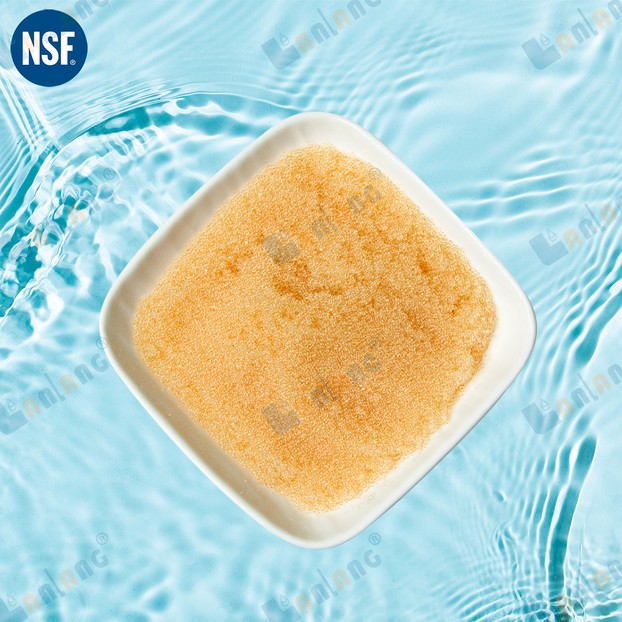
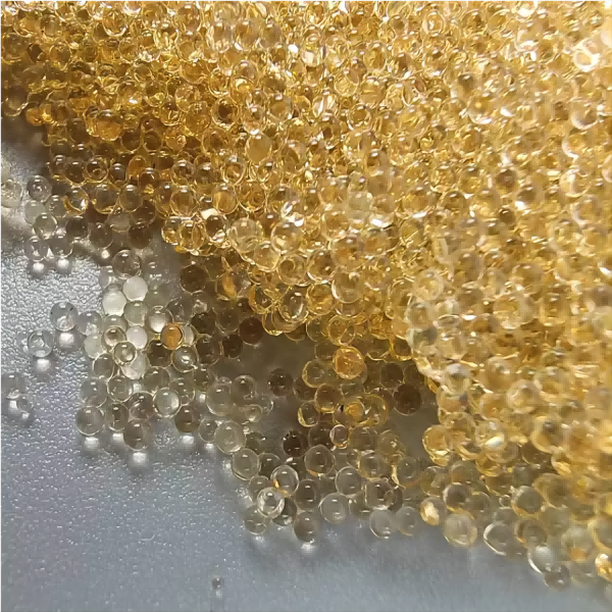
In water treatment, ion exchange is a widely used technique to remove unwanted ions from water. This process involves passing water through a bed of ion exchange resin, which traps the unwanted ions and replaces them with other ions of similar charge. There are two main types of ion exchange resin beds: mixed bed and single bed.
Mixed bed ion exchange resin contains a mixture of positively charged and negatively charged resin beads. This mixture allows for the removal of a wide range of ions from water, as the positively charged beads capture negatively charged ions and vice versa. Mixed bed resin is often used in applications where extremely pure water is required, such as in the pharmaceutical industry or in laboratory research.
Single bed ion exchange resin contains either positively charged or negatively charged resin beads. This type of resin is used to remove specific ions from water. For example, cation exchange resin can be used to remove calcium and magnesium ions, while anion exchange resin can be used to remove chloride and sulfate ions.
The main difference between mixed bed and single bed ion exchange resins is their ability to remove specific ions. Mixed bed resin can remove a wider range of ions than single bed resin, but single bed resin can be more effective at removing specific ions. Another difference is the regeneration process. Mixed bed resin is typically regenerated by separating the positively and negatively charged beads and replenishing them separately. Single bed resin can be more easily regenerated by flushing the resin bed with a regenerating solution.
Mixed bed ion exchange resin is ideal for applications requiring extremely pure water, while single bed resin is more effective at removing specific ions. Both types of resin play an important role in water treatment and can be used in a variety of applications. Understanding the differences between these two types of ion exchange resin can help in selecting the best resin for a particular water treatment application.