
 日本語
日本語 한국어
한국어 Français
 Deutsch
 Español
 Italiano
 Português
 Việt Nam
 Türkçe
 عربي
عربي  русский
  Čeština
 ไทย
ไทย Eesti
Eesti Gaeilgenah Éireann
 Bai Miaowen
 íslenska
 Cymraeg
 Български
 اردو
اردو Polski
 hrvatski
 українська
 bosanski
 فارسی
فارسی Lietuvių
 Latviešu
 עברית
עברית România limbi
 Ελληνικά
 dansk
dansk magyar
 Norsk
Norsk suomi
suomi Nederlands
 Svenska
 slovenčina
 slovenščina
 हिंदी
हिंदी Indonesia
 Melayu
 Malti
Malti Kreyòl Ayisyen
 Català
 বাংলা
বাংলা Srbija jezik (latinica)
 O'zbek
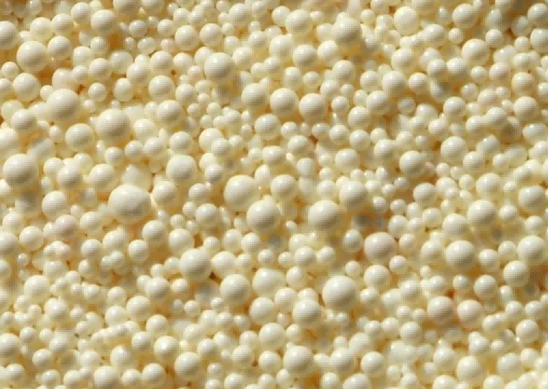
How does the resin bed depth affect the performance of ion exchange resin?
Ion exchange resin is a widely used technology for water treatment, purification and softening. It is used to remove ions, such as calcium and magnesium, from water, which can cause hard water spots and mineral buildup in appliances. However, the depth of the resin bed plays a critical role in the performance of ion exchange resin.
As water flows through the resin bed, charged ions are exchanged with resin beads, which causes the resin bed to become exhausted over time. This means that as the depth of the resin bed decreases, the efficiency of the ion exchange process decreases as well. A deeper resin bed, on the other hand, can hold more resin and therefore last longer before needing to be replaced or regenerated.
Other factors that affect the performance of ion exchange resin include the flow rate, temperature, and resin type. Faster flow rates may result in incomplete ion exchange, while higher temperatures can increase the rate of ion exchange but may damage the resin. The resin type also plays a role in the effectiveness of the ion exchange process, with some resins being more effective at removing certain ions than others.
When designing an ion exchange system, it is important to consider the resin bed depth and other factors to ensure optimal performance. A shallow resin bed may be appropriate for low-volume applications, while a deeper resin bed may be necessary for high-volume applications or those with particularly hard water. Ultimately, the ideal resin bed depth depends on the specific requirements of the application and the properties of the water being treated.
The resin bed depth is a key factor in the performance of ion exchange resin. A deeper resin bed can result in better ion exchange efficiency and a longer lifespan for the resin, while a shallower bed may be appropriate for low-volume applications. When designing an ion exchange system, it is important to consider the resin bed depth and other factors to ensure optimal performance and water quality.
