日本語
日本語 한국어
한국어 Français
 Deutsch
 Español
 Italiano
 Português
 Việt Nam
 Türkçe
 عربي
عربي  русский
  Čeština
 ไทย
ไทย Eesti
Eesti Gaeilgenah Éireann
 Bai Miaowen
 íslenska
 Cymraeg
 Български
 اردو
اردو Polski
 hrvatski
 українська
 bosanski
 فارسی
فارسی Lietuvių
 Latviešu
 עברית
עברית România limbi
 Ελληνικά
 dansk
dansk magyar
 Norsk
Norsk suomi
suomi Nederlands
 Svenska
 slovenčina
 slovenščina
 हिंदी
हिंदी Indonesia
 Melayu
 Malti
Malti Kreyòl Ayisyen
 Català
 বাংলা
বাংলা Srbija jezik (latinica)
 O'zbek

How does the moisture content of ion exchange resin affect its use?
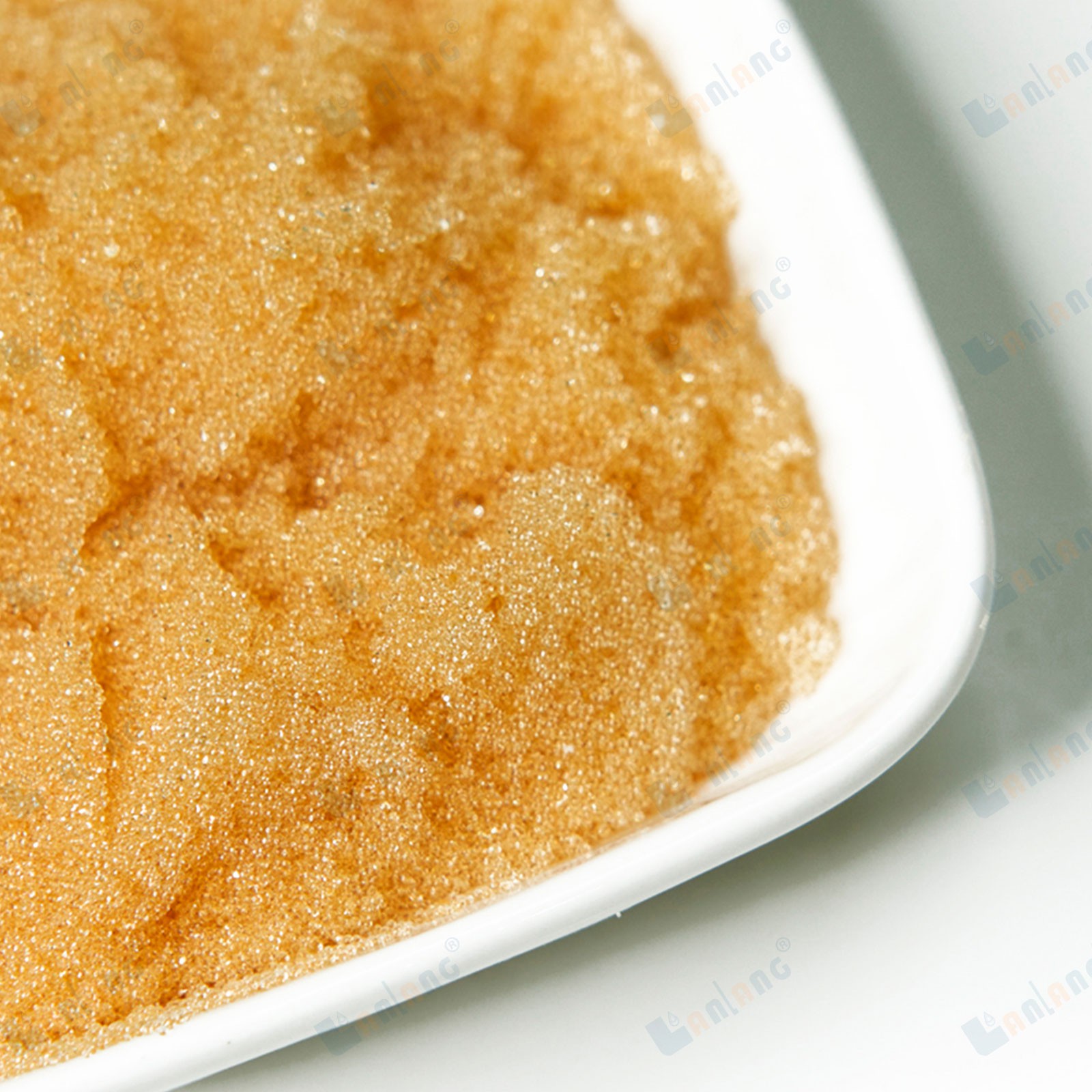
Ion exchange resins are widely used in various industries, including water treatment, chemical processing, and pharmaceuticals. One of the most significant factors that affect the performance of these resins is their moisture content. In this blog, we will discuss how the moisture content of ion exchange resin affects its use and performance.
The moisture content in ion exchange resins refers to the level of water or other solvents absorbed by the resin. Ideally, the moisture content in the resin should be low, typically lower than 5%. If the moisture content is too high, it can adversely affect the performance of the resin. Here are some ways in which the moisture content can impact the use of ion exchange resin.
1. Reduced Exchange Capacity
One of the critical functions of the ion exchange resin is to remove impurities from the solution. The resin's exchange capacity determines its ability to do so. When the moisture content in the resin is high, it can interfere with ion exchange sites on the resin particle, reducing the exchange capacity. This creates a problem of reduced ion exchange capacity with reduced efficiency.
2. Poor Quality of Product
Moisture content is an essential parameter when producing high-quality process water. When the moisture content in the resin is high, it can interfere with the production process, leading to water quality issues. For example, high moisture content can cause leakage or contamination, leading to poor quality of the final product.
3. Shortened Resin Life
The moisture content level in the resin is a significant factor affecting the longevity of the ion exchange resin. An excessive moisture level shortens the lifespan of the resin, leading to a decline in its efficiency. The high levels of water in the resin weaken the ion exchange resin's structure, making it more susceptible to damage.
4. Reduced Regeneration Efficiency
Ion exchange resins can be regenerated, extending their useful life and increasing their efficiency. However, the quality of the regenerated resin depends on the moisture level. High moisture levels make the rejuvenation process less effective, reducing overall efficiency.
The moisture content of ion exchange resins can have a significant impact on their performance in industrial settings. Low moisture content is ideal, and higher levels can negatively affect the exchange capacity, product quality, and lifespan of the resin. Choosing the right moisture content level is crucial to maintaining optimal resin performance for maximum efficiency.